The Quiet Paths: Rediscovering The Scottish Highlands
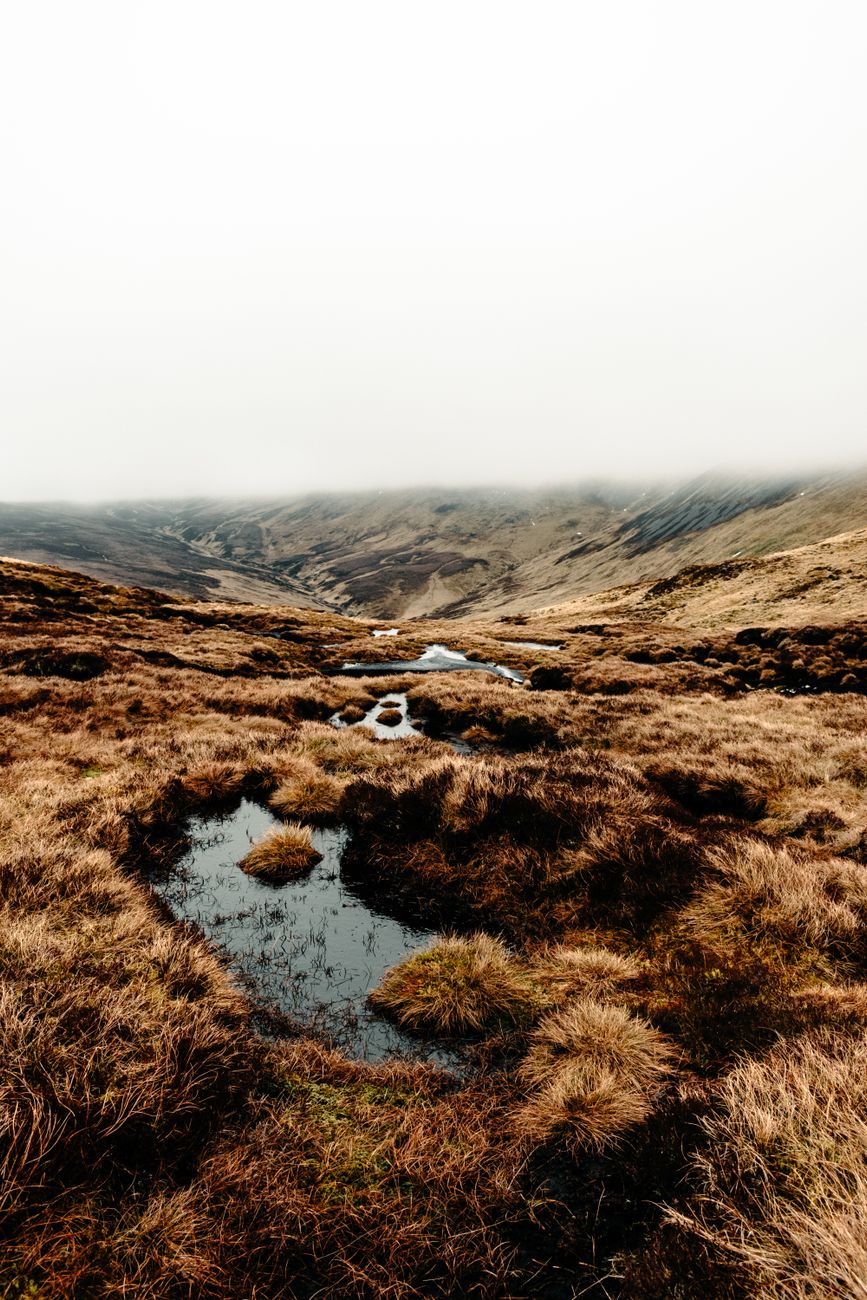
Morning vapor over Loch Maree, photographed during the autumn equinox.
To step beyond the well-worn tarmac of the North Coast 500 is to encounter an ancient landscape stripped of decorative illusion. Here, granite mountains rise abruptly from peat bogs, their profiles unchanged since the retreat of the Pleistocene ice sheets.
1. The Sanctuary of the Stone Bothy
Dotted across Sutherland and Wester Ross, unlocked stone cottages known as bothies offer respite from driving Atlantic rain. Maintained by volunteer custodians, they possess neither electricity nor running water. Inside, a simple cast-iron stove and wooden bunks invite travelers to shed electronic notifications in exchange for the crackle of burning birch and conversation shared with passing strangers.
"The highland wilderness does not bargain with comfort. It asks only that you match its cadence with patient boots and an attentive eye."
2. Navigating the Peat Corridors
Walking the passes requires an intimate understanding of topographical contours. Path markers are rare, often reduced to small cairns assembled by stalkers decades ago. When the haar—the cold sea mist—rolls inland from the Minch, compass navigation and calm pacing replace reliance on digital screens whose batteries yield quickly to sub-zero moisture.
In these quiet corridors, wild red deer outnumber people by orders of magnitude. Their distant roars across the glens mark the turning of seasons, reminding the voyager that human settlement here remains a fragile veneer upon deep geologic time.
Curating Your Own Northern Passage?
Our advisory desk provides personalized roadbooks and stone lodge maps.